What Are Rice Mill Byproducts?
Rice mill byproducts are the secondary materials generated while processing paddy into finished rice. During cleaning, husking, whitening, polishing and grading, different parts of the paddy grain are separated.
These materials are collected separately because each has different properties and uses. Some contain useful nutrients, while others are suitable for fuel production and industrial applications.
The value of rice mill byproducts depends on their quality, handling, storage conditions and market demand.
Types of Rice Mill Byproducts
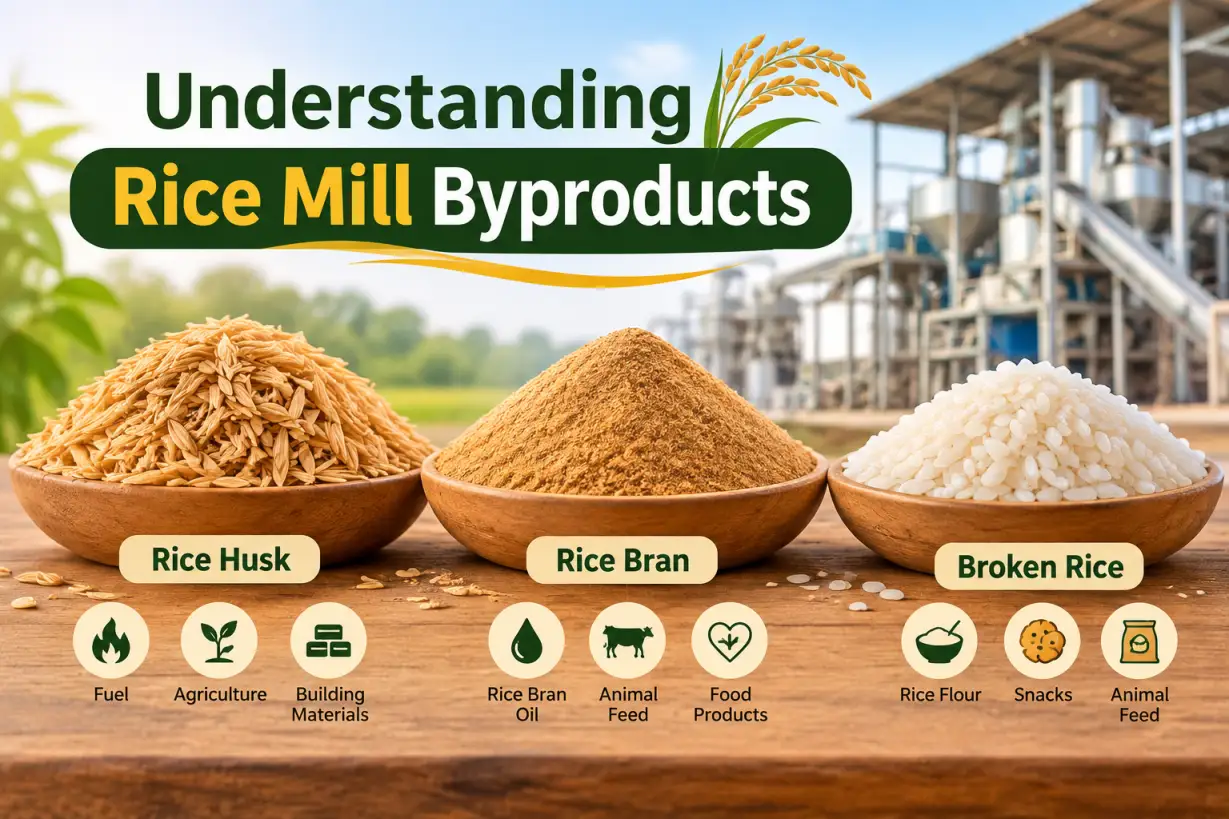
The major rice mill byproducts generated during rice processing include:
Rice Bran
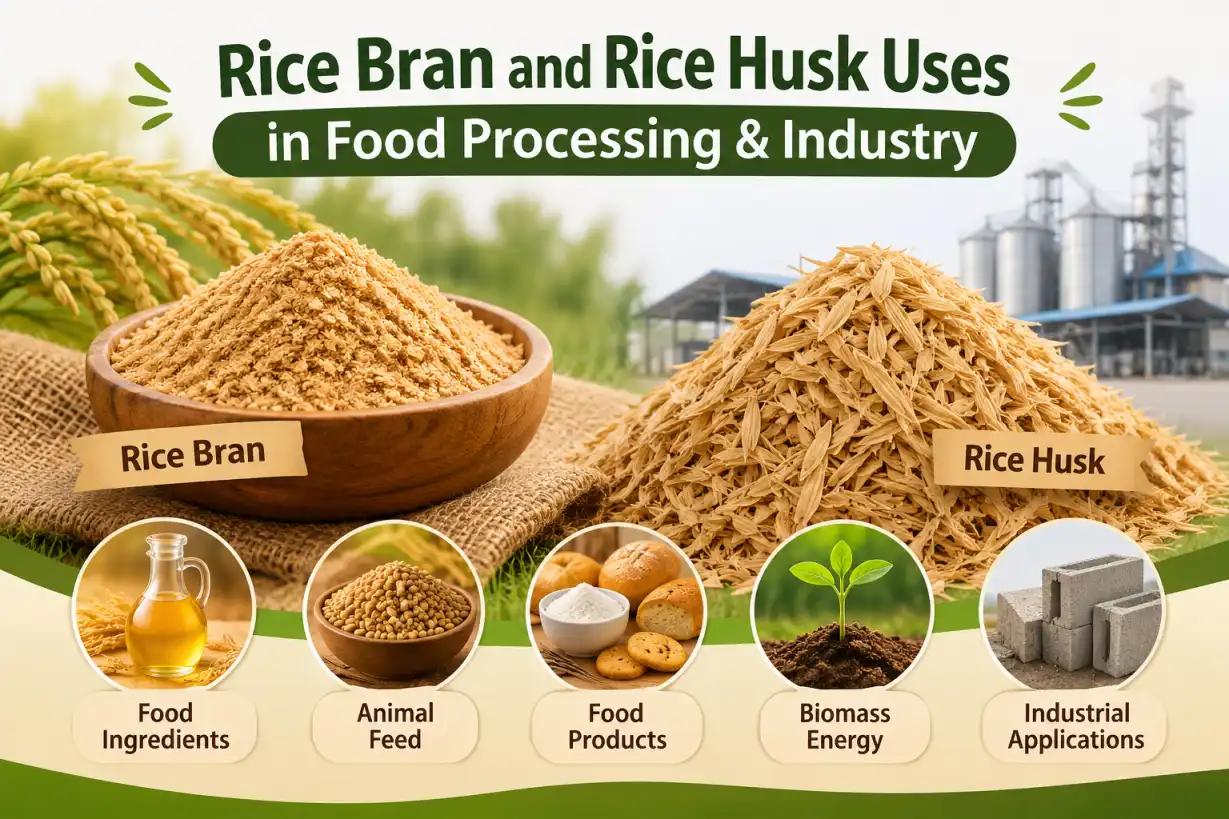
Rice bran is obtained from the outer layers of the rice grain during whitening and polishing. It contains natural oil, dietary fibre, vitamins and minerals.
Key characteristics:
- Fine, powder-like texture.
- Contains natural rice bran oil.
- Used in animal feed and food-related industries.
- Requires proper storage to maintain freshness.
Rice Husk
Rice husk is the protective outer covering of paddy, removed during the husking process. It is one of the major byproducts produced in rice mills.
Key characteristics:
- Lightweight and fibrous material.
- Contains silica.
- Can be used as biomass fuel.
- Suitable for certain agricultural and industrial applications.
Broken Rice
Broken rice consists of rice grains that break during milling, handling or processing. These grains may be smaller than whole rice kernels but still have several commercial uses.
Key characteristics:
- Available in different grain sizes.
- Used in rice flour production.
- Suitable for various food products.
- Has demand in food processing and animal feed industries.
Uses and Applications of Rice Bran
Rice bran is a valuable rice mill byproduct because of its oil content and nutritional properties.
- Rice bran oil production: Rice bran is processed to extract oil used for cooking.
- Animal feed manufacturing: It is used as an ingredient in livestock and poultry feed.
- Food processing: Stabilized rice bran can be incorporated into selected food products.
- Nutritional applications: It contains fibre and other naturally occurring nutrients.
- Industrial processing: Rice bran is used as a raw material in certain oil and feed-related industries.
Uses and Applications of Rice Husk
Rice husk has several applications because of its physical properties and energy content.
- Biomass energy: Used as a fuel in suitable biomass energy systems.
- Rice mill boilers: Helps generate heat for certain rice processing operations.
- Rice husk ash: Used in selected industrial and construction applications.
- Agricultural applications: Used in composting and soil-related applications.
- Manufacturing: Processed rice husk materials are used in some industrial products.
Uses and Applications of Broken Rice
Broken rice is not useless material. It is an important secondary product with demand in different markets.
- Rice flour: Used for making rice flour and other powdered products.
- Food manufacturing: Used in snacks, noodles and traditional food preparations.
- Animal feed: Used as an energy source in feed formulations.
- Starch production: Used as a raw material for rice starch extraction.
- Brewing industry: Used in certain fermentation and brewing processes.
Importance of Rice Mill Byproduct Utilization
Proper management of rice mill byproducts is important for improving the overall performance of a rice processing plant.
1. Reduces processing waste
Collecting and reusing byproducts reduces the amount of material discarded during rice milling.
2. Creates additional revenue
Rice bran, rice husk and broken rice can be sold to different industries, creating additional income opportunities.
3. Supports other industries
These materials provide useful raw materials for food processing, agriculture, animal feed and energy production.
4. Improves resource utilization
Using different parts of paddy efficiently helps maximize the value obtained from raw agricultural materials.
5. Encourages sustainable operations
Responsible byproduct management supports better waste handling and resource conservation.
Modern Rice Mills Methods to Manage Byproducts
Modern rice mills follow systematic methods to separate and collect different byproducts during rice processing.
After separation, the materials are collected, stored and prepared for further processing or sale. Proper storage is particularly important for rice bran because its natural oil can deteriorate if it is not handled correctly.
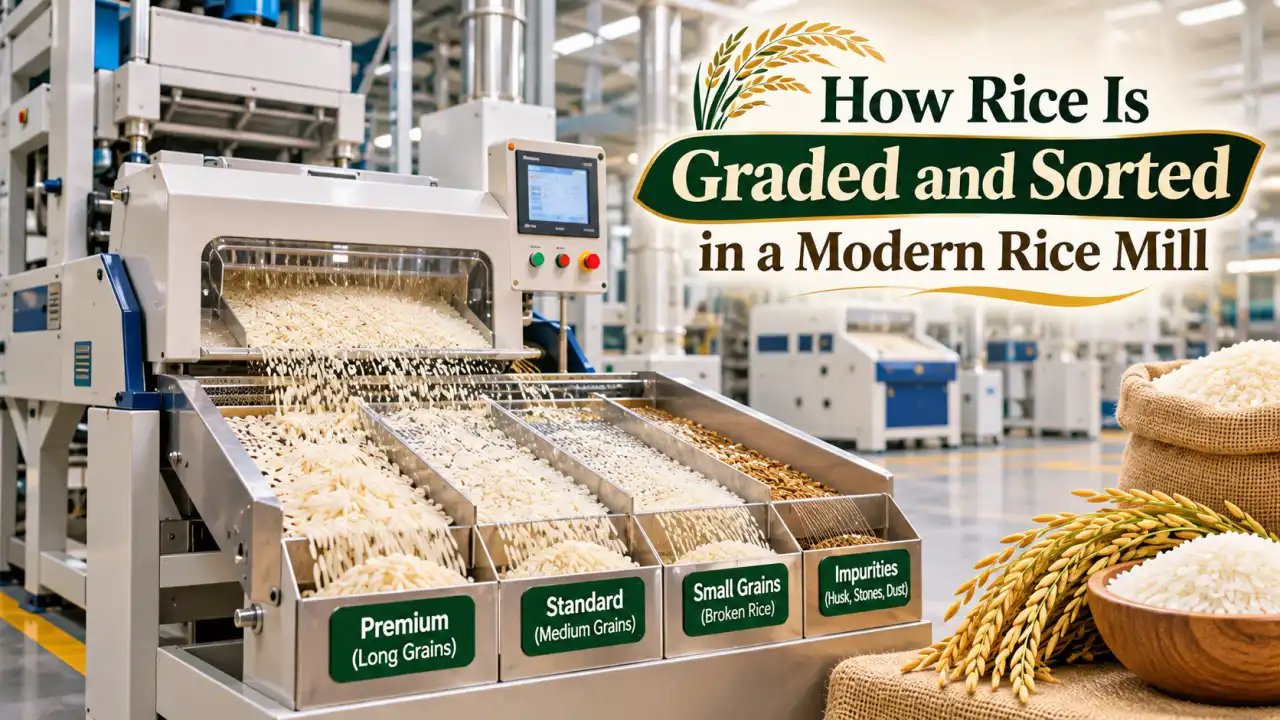
- Cleaning section: Removes dust, straw, stones and other unwanted materials.
- Husking section: Separates rice husk from brown rice.
- Whitening section: Removes bran layers from brown rice.
- Polishing section: Produces the required rice finish and collects remaining bran material.
- Grading section: Separates broken rice from whole grains according to size.
Factors Affecting the Quality of Rice Mill Byproducts
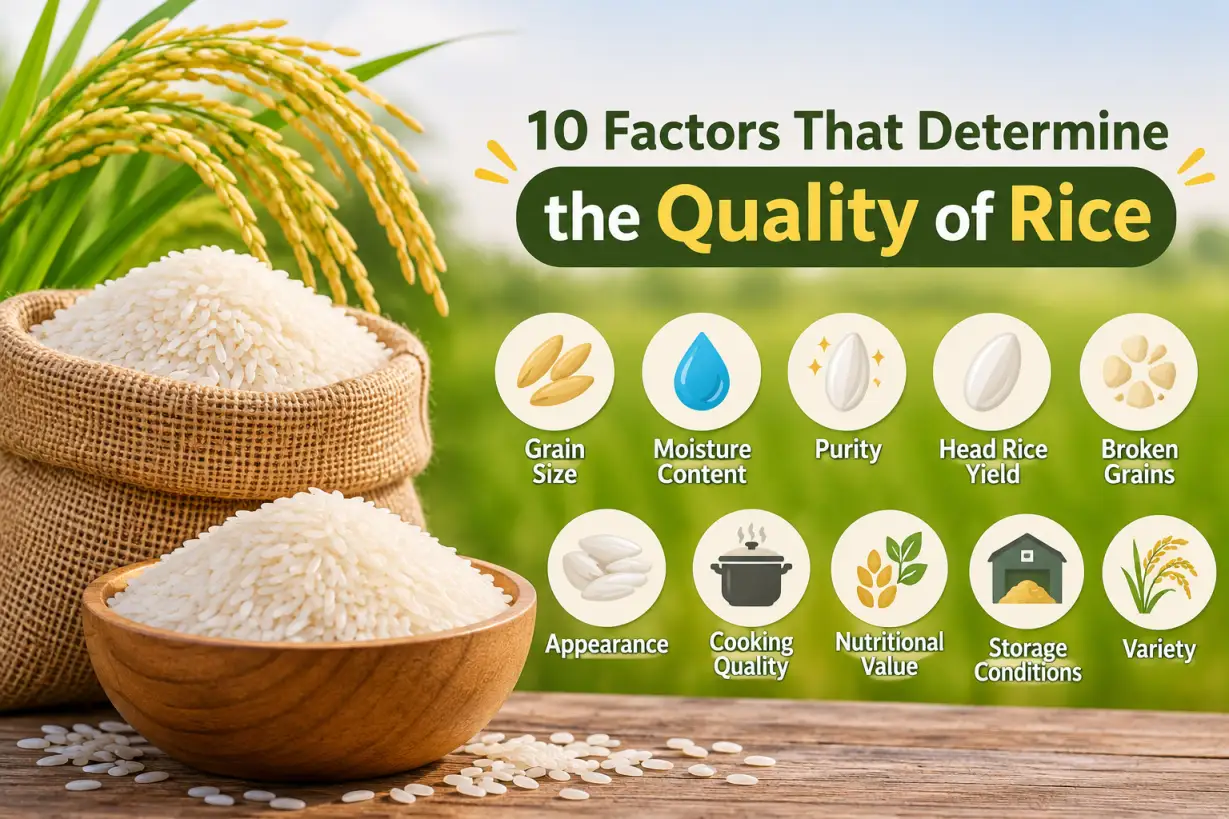
The quality and commercial value of rice mill byproducts depend on several factors.
- Paddy quality: The condition of incoming paddy affects the quality of the resulting materials.
- Moisture content: Excess moisture can create storage and quality problems.
- Machine settings: Incorrect milling settings can increase unwanted breakage.
- Storage conditions: Temperature, moisture and cleanliness influence product quality.
- Handling practices: Proper collection and transportation help prevent contamination.
- Processing methods: Suitable processing methods help maintain the quality of each byproduct.
Frequently Asked Questions
Can rice bran be used in animal feed?
Yes. Rice bran is widely used as an ingredient in livestock, poultry, and aquaculture feed because it provides energy, protein, and fibre.
What are the environmental benefits of reusing rice mill byproducts?
Reusing rice mill byproducts helps reduce agricultural waste, supports resource efficiency, lowers dependence on certain conventional raw materials, and encourages more sustainable rice processing.
How should rice be stored to maintain its quality?
Rice should be stored in a clean, dry, well-ventilated area. Proper packaging and protection from moisture and pests help maintain its quality.
Why is moisture content important in rice processing?
Moisture content affects grain strength, milling recovery, grain breakage, and the overall quality of the finished rice.
Conclusion
Rice mill byproducts are an important part of the rice processing industry. Rice bran, rice husk and broken rice each have different commercial and industrial applications. Instead of treating these materials as waste, rice mills can utilize them as valuable resources.
By adopting proper separation, handling and storage practices, modern rice mills can improve resource utilization, reduce unnecessary waste and create additional business opportunities. Efficient management of rice mill byproducts also supports sustainable and responsible rice processing.