What Are Rice Bran and Rice Husk?
Rice Bran
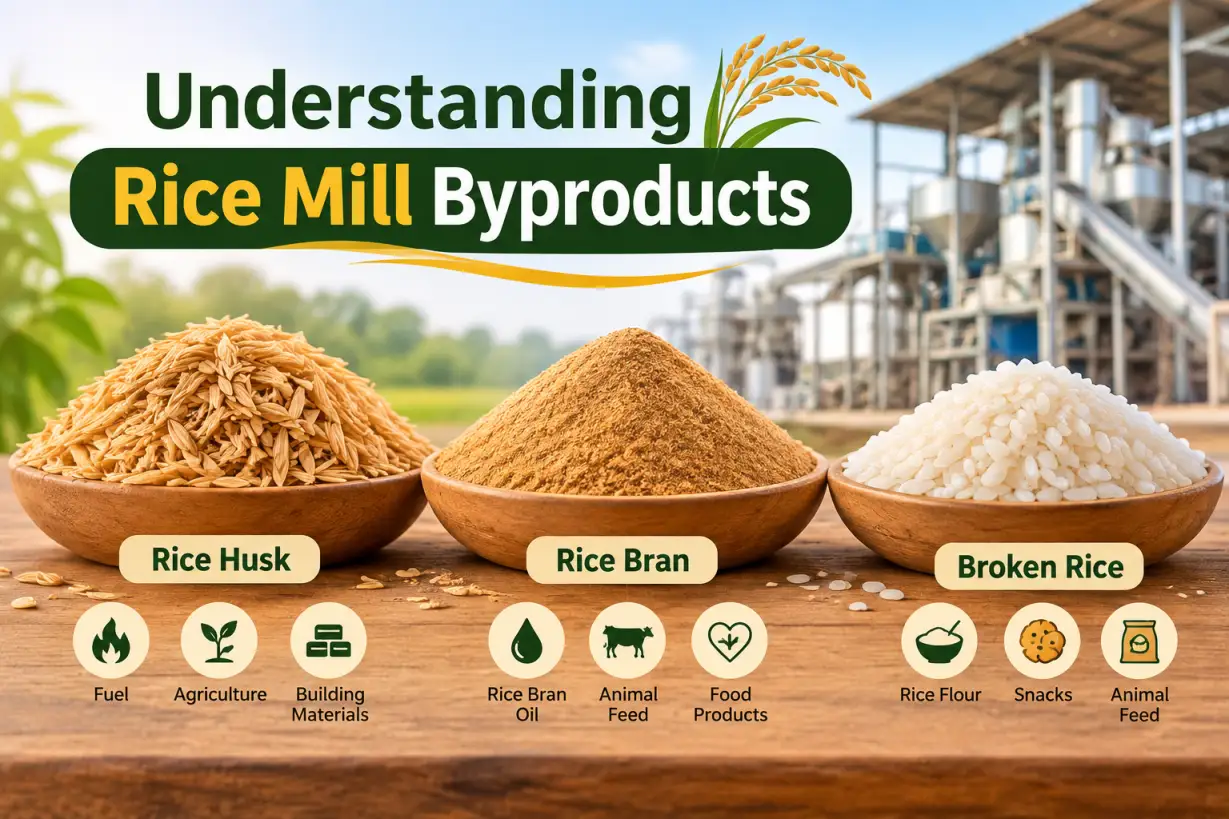
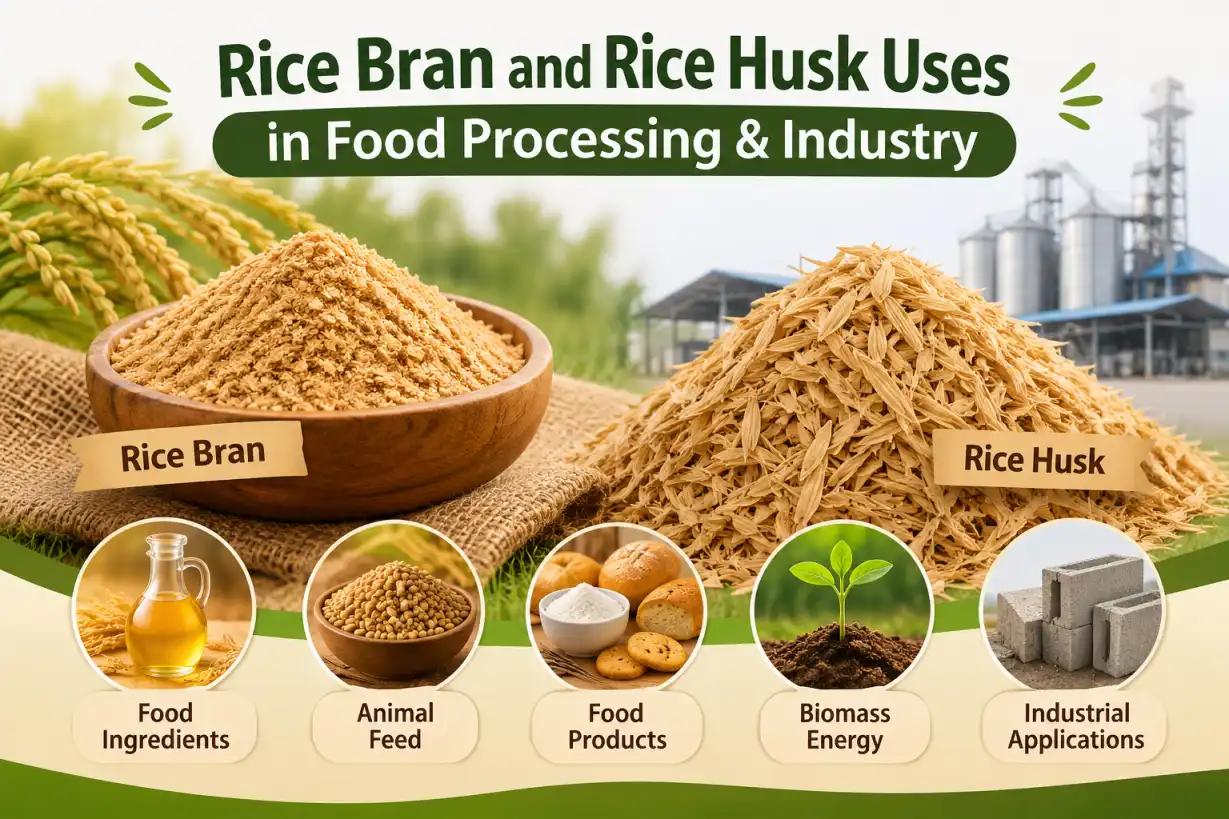
Rice bran is the outer layer of the rice grain removed during whitening and polishing. It contains natural oil, fibre, vitamins and minerals. It is commonly used for rice bran oil production, animal feed and selected food-processing applications.
Rice Husk
Rice husk is the hard outer covering of paddy removed during the husking process. It is a fibrous material containing silica and is mainly used for biomass fuel, rice husk ash production and other industrial applications.
Role of Rice Bran in Food Processing
Rice bran is an important raw material in food processing because of its nutritional composition and natural oil content. After suitable processing and stabilization, it can be used in different food products.
- Rice bran oil: Extracted from rice bran and used as cooking oil.
- Bakery products: Stabilized rice bran can be incorporated into selected biscuits, bread and other bakery formulations.
- Breakfast cereals: Processed rice bran can be used in certain cereal products.
- Dietary fibre products: Rice bran provides fibre that can be incorporated into suitable food formulations.
- Nutritional products: Stabilized rice bran can be used as an ingredient in selected health-oriented food products.
Uses of Rice Bran in Different Food Products
Rice bran has several applications in the food industry. Its nutritional properties make it useful in different food formulations.
U can Easily Purchase from our Mill
- Cooking oil production: Rice bran is processed to extract rice bran oil, which is used for cooking and food preparation.
- Biscuits and bakery products: Stabilized rice bran can be added to selected biscuit and bakery recipes to increase fibre content.
- Breakfast foods: Rice bran can be included in cereals and other grain-based food products.
- Health food products: Its fibre and naturally occurring nutrients make it useful in selected nutritional food formulations.
- Food ingredients: Processed rice bran can be used as an ingredient in different food manufacturing applications.
Industrial Applications of Rice Bran
Apart from food processing, rice bran is also used in several commercial and industrial applications.
- Rice bran oil industry: Used as a raw material for oil extraction.
- Animal feed production: Used in livestock and poultry feed formulations.
- Cosmetic products: Rice bran oil is used in selected skincare and personal care products.
- Agricultural applications: Certain rice bran materials are used in organic manure and composting applications.
- Industrial products: Rice bran oil and its processing residues can be used as raw materials for different products.
Uses of Rice Husk in Industrial Applications
Rice husk is an important industrial material generated during paddy processing. Although it is not normally consumed directly, it has several applications in manufacturing and energy production.
1. Biomass Fuel
Rice husk is used as biomass fuel in suitable boilers and industrial heating systems. It helps generate heat for different industrial operations.
2. Electricity Generation
Rice husk can be used in biomass power plants to produce electricity through suitable energy conversion systems.
3. Rice Husk Ash Production
When rice husk is burned under controlled conditions, it produces rice husk ash. This ash contains silica and can be processed for industrial applications.
4. Construction Materials
Processed rice husk ash is used in certain cement and concrete applications because of its silica content and pozzolanic properties.
5. Silica Manufacturing
Rice husk ash can be processed to recover silica, which is used in selected industrial and manufacturing applications.
6. Agricultural Applications
Rice husk can be used as a growing medium, composting material and soil amendment, depending on its preparation and intended use.
Rice Husk and Its Role in Food-Related Industries
Rice husk is not generally used directly as an ingredient in biscuits or other food products. However, processed materials derived from rice husk can have indirect applications in food-related industries.
These applications demonstrate how rice husk can support industries beyond traditional rice milling.
- Silica applications: Purified rice husk-derived silica has potential applications in selected food-related processing and packaging materials, subject to food-grade specifications and regulatory approval.
- Packaging materials: Rice husk fibres can be used in certain biodegradable and composite packaging products.
- Industrial equipment: Rice husk-derived materials can contribute to the development of specialized industrial products.
Difference Between Rice Bran and Rice Husk
| Parameter | Rice Bran | Rice Husk |
|---|---|---|
| Source | Outer grain layers | Paddy outer covering |
| Appearance | Fine brown material | Hard, fibrous covering |
| Main component | Oil and fibre | Cellulose and silica |
| Food applications | Oil and food ingredients | Not normally a direct food ingredient |
| Industrial uses | Oil and feed production | Biomass and silica production |
| Main processing stage | Whitening and polishing | Husking |
Factors Affecting the Quality of Rice Bran and Rice Husk
The quality of these materials depends on several factors during rice processing, collection and storage.
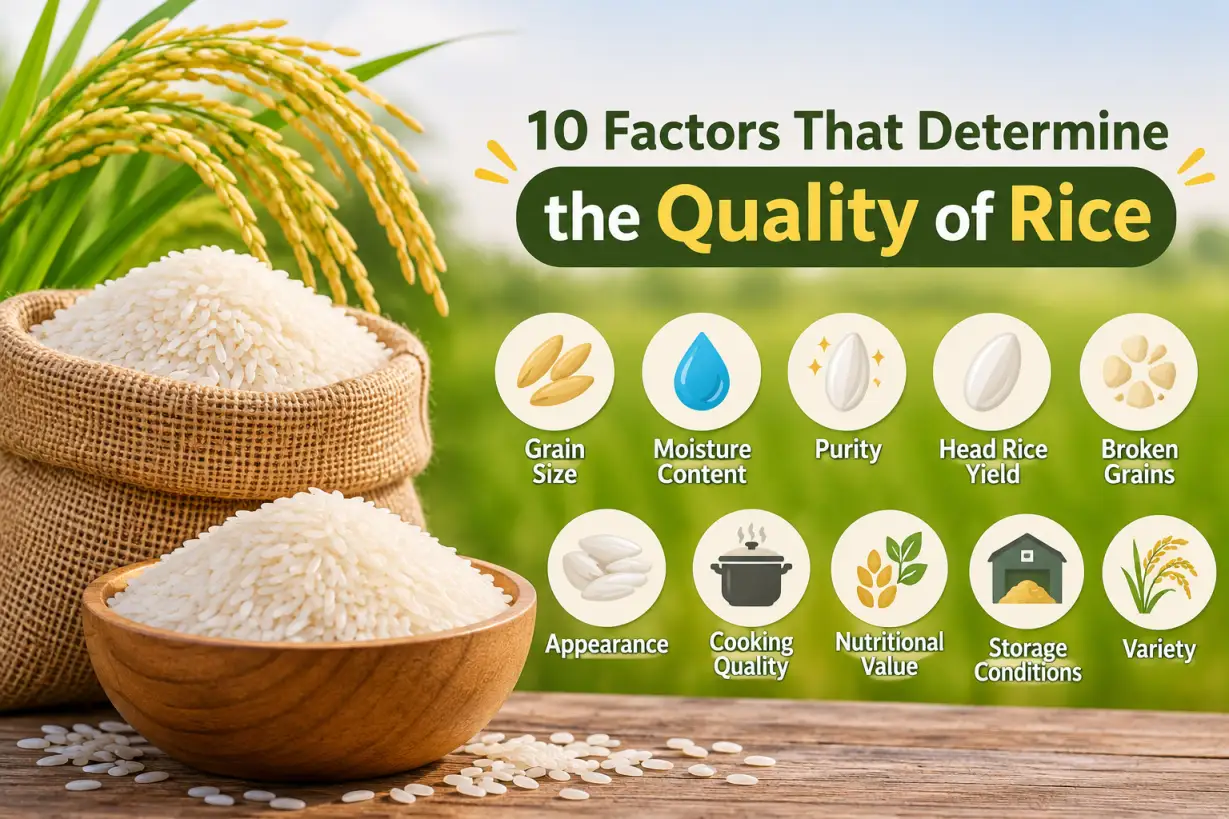
- Paddy quality: Good-quality paddy helps maintain the quality of the resulting materials.
- Moisture content: Excess moisture can affect storage and material quality.
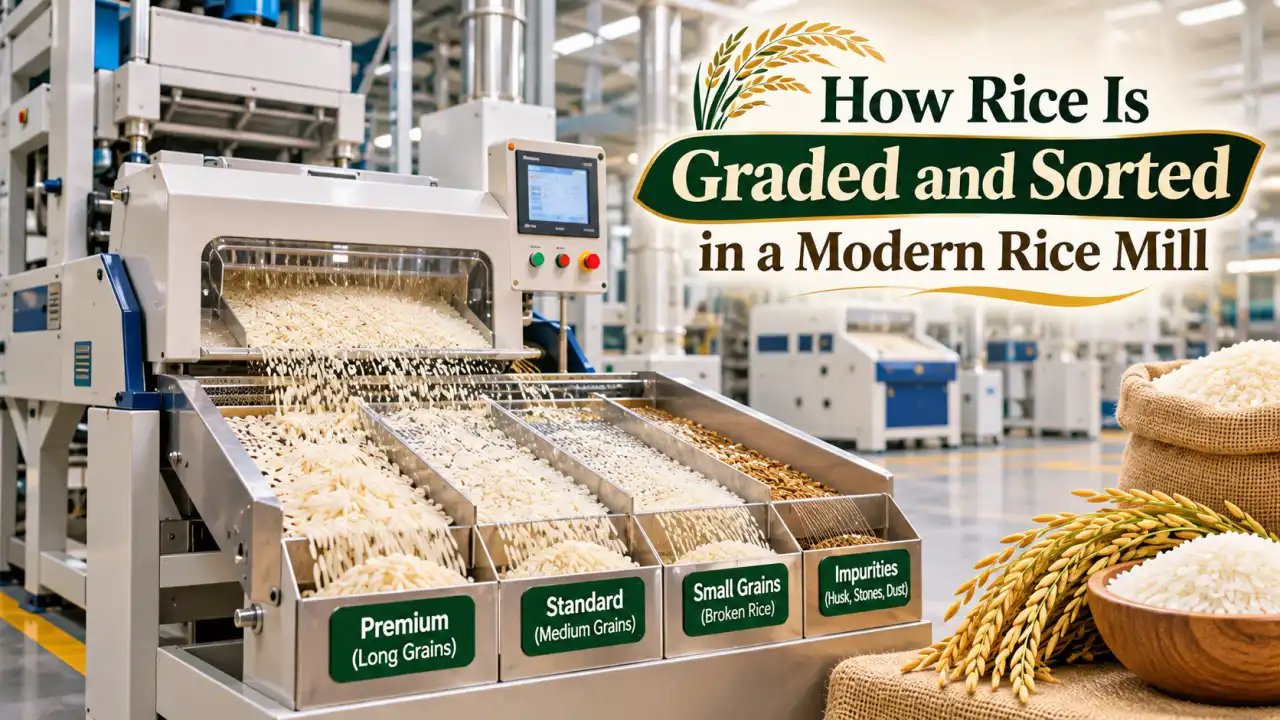
- Processing conditions: Proper machine settings help maintain consistent separation.
- Storage conditions: Clean and dry storage helps prevent contamination and deterioration.
- Handling methods: Proper collection and transportation protect material quality.
- Processing technology: Suitable equipment helps improve separation and material recovery.
Frequently Asked Questions
1. Which state in India produces the most rice?
West Bengal, Uttar Pradesh, Punjab, Telangana and Andhra Pradesh are among India's major rice-producing states.
2. Can rice bran be used in biscuits?
Yes. Stabilized and food-grade rice bran can be incorporated into selected biscuit recipes to increase dietary fibre content.
3. How can consumers identify good-quality rice?
Consumers can check grain uniformity, cleanliness, colour, moisture condition and the presence of broken or damaged grains.
Conclusion
By understanding their different uses and adopting proper handling methods, rice mills can improve resource utilization, reduce waste and create additional commercial opportunities. These applications highlight the importance of making effective use of materials generated during rice processing.