Rice is one of the most widely consumed staple foods around the world. Before reaching consumers, paddy undergoes several processing stages to remove husk, bran and unwanted materials. However, milling alone does not ensure uniform grain size and appearance. This is where rice grading and sorting play an important role.
What Is Rice Grading and Sorting?
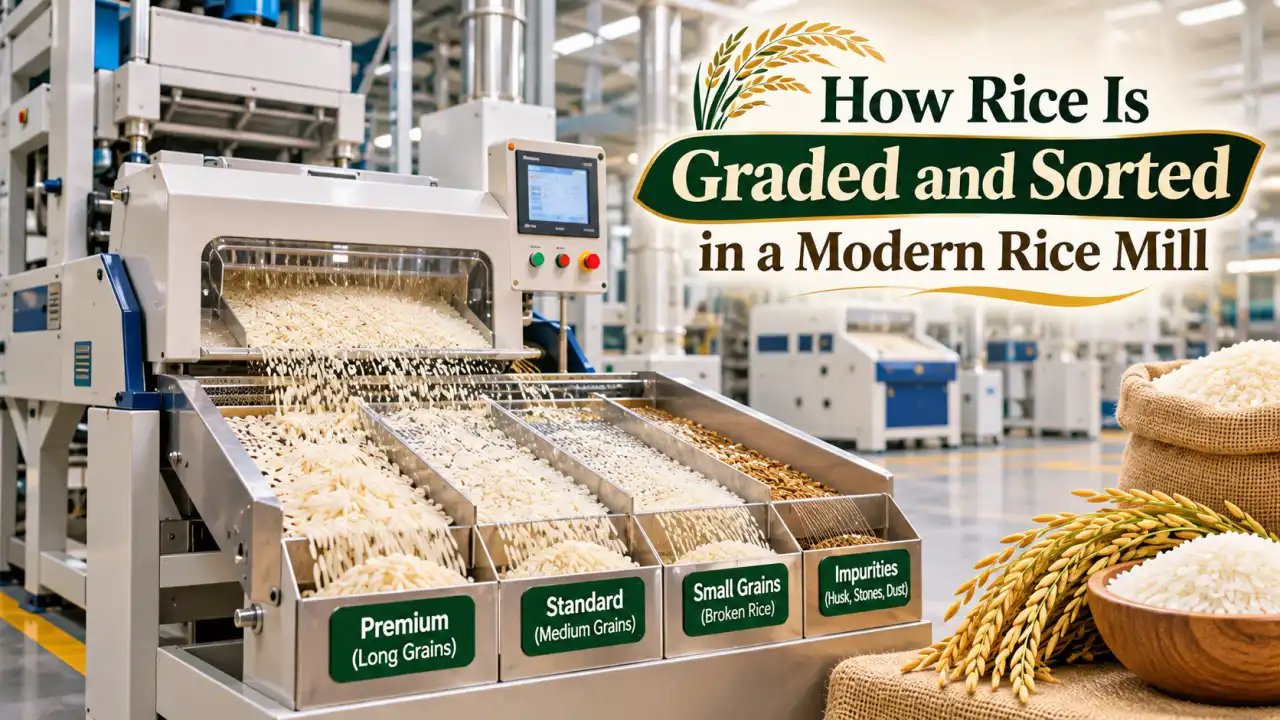
Rice grading is the process of classifying milled rice based on measurable physical characteristics such as grain length, thickness, shape and the proportion of broken grains. It helps separate rice into different categories so that each batch has a more consistent grain size and appearance.
Rice sorting is the process of identifying and separating grains that differ in colour, appearance or other detectable characteristics from the acceptable rice. It helps remove discoloured grains, damaged kernels, yellow grains and certain foreign materials that may remain after earlier cleaning and milling operations.
Why Rice Grading and Sorting Are Important
1. Improves Rice Quality
Grading separates rice grains according to their physical characteristics, helping maintain consistent quality across finished batches.
2. Removes Defective Grains
Sorting equipment helps identify and separate discoloured, damaged, immature and defective grains from good-quality rice.
3. Maintains Uniform Grain Size
Rice grading separates whole grains and broken rice into different categories based on size and length, improving product uniformity.
4. Enhances Appearance
Colour sorting removes unwanted grains and visible impurities, giving the finished rice a cleaner and more consistent appearance.
5. Increases Market Value
Uniform, properly graded rice can meet specific buyer requirements and may achieve better market acceptance.
6. Supports Food Quality and Purity
Effective sorting helps remove unwanted foreign materials and defective grains, supporting the overall purity of the finished product.
How Rice Is Graded in a Modern Rice Mill
Rice grading is carried out after the necessary milling and cleaning operations. At this stage, the rice contains kernels of different sizes and lengths, including whole grains and broken pieces. Grading machines separate these kernels into different categories according to their physical dimensions.
1 Length-Based Grading
Length-based grading is the process of separating rice kernels according to their length. It is particularly useful for distinguishing whole-length rice from different sizes of broken rice.
How it works:
- Milled rice is fed into the length-grading machine.
- The rice moves through a rotating cylinder containing specially designed indentations.
- Smaller rice pieces fit into the indentations more easily than longer kernels.
- The rotating cylinder lifts the smaller pieces, which are collected separately.
- Longer kernels continue moving through the machine and are discharged through a separate outlet.
2 Thickness-Based Grading
Thickness-based grading separates rice grains according to their thickness or width. Even when rice kernels have similar lengths, they may differ in thickness because of variety, maturity and grain development.
A thickness grader or suitable screening machine can be used to classify rice according to its dimensions.
How it works:
- Rice is fed into the grading machine.
- The grains pass over screens or through openings designed for specific size ranges.
- Smaller or thinner grains pass through the appropriate openings.
- Larger or thicker grains remain on the screen or follow a different discharge route.
- The separated grains are collected into different outlets.
3 Separation of Broken and Whole Rice
Separation of broken and whole rice is one of the important grading operations in a modern rice mill. During husking, whitening, polishing and material handling, some kernels may break due to excessive mechanical pressure, grain moisture variations or improper machine settings.
The resulting mixture may contain:
- Whole rice kernels: Grains that remain substantially intact.
- Large broken rice: Kernels broken into relatively large pieces.
- Small broken rice: Smaller fragments of rice kernels.
- Rice fragments: Very small pieces generated during milling and handling.
How the separation process works:
- Milled rice enters the grading section.
- The machine separates kernels according to length and size.
- Whole kernels are collected through one outlet.
- Broken grains are separated into different size categories.
- Each category is collected and monitored separately.
How Rice Is Sorted in a Modern Rice Mill
After grading, rice may undergo additional sorting operations to remove grains that differ from the accepted product specifications. While grading mainly classifies grains according to their physical dimensions, sorting focuses on identifying unwanted grains based on colour, appearance and detectable characteristics.
The main sorting operations are explained below.
1 Color Sorting
Color sorting is one of the most important sorting operations in a modern rice mill. It is used to identify and separate grains that have different colours from the acceptable rice.
During rice processing, some grains may develop yellow, black, brown or other unusual colour variations due to factors such as poor paddy quality, fungal damage, improper storage, immature grain development or processing conditions.
How color sorting works:
- Clean, graded rice enters the colour sorter through a feeding system.
- The rice flows through specially designed channels in a controlled manner.
- High-speed cameras and optical sensors examine individual grains.
- The machine compares the detected grain characteristics with the programmed acceptance settings.
- Grains identified as defective are separated using compressed-air ejectors.
- Acceptable grains continue through the machine and are collected separately.
Types of grains commonly identified by colour sorters:
- Yellow or discoloured grains.
- Black or dark-spotted grains.
- Brown or stained grains.
- Certain chalky or visually defective grains.
- Other grains that differ from the selected colour specifications.
Importance of color sorting:
- Improves the visual appearance of finished rice.
- Removes many visibly defective or discoloured grains.
- Helps maintain consistent product presentation.
- Supports customer and market quality requirements.
- Reduces the presence of unwanted grains in the final product.
2 Removal of Defective Grains
Defective grains are rice kernels that show undesirable physical or visual characteristics. These defects may develop during cultivation, harvesting, drying, storage or milling.
Common examples include:
- Yellow grains: Kernels with yellowish discolouration.
- Black-spotted grains: Kernels showing dark spots or patches.
- Damaged grains: Kernels with visible physical damage.
- Chalky grains: Kernels with opaque, white or chalk-like areas.
- Immature grains: Poorly developed kernels that may differ in size, shape or appearance.
How defective grain removal works:
- Rice is passed through the appropriate sorting equipment.
- Optical sensors or mechanical separation systems identify grains that do not meet the selected specifications.
- The machine separates the identified grains from acceptable rice.
- Rejected material is collected separately for inspection.
- Operators monitor the output to ensure that acceptable rice is not unnecessarily rejected.
3 Separation of Foreign Materials
Foreign materials are unwanted substances that may accidentally enter rice during harvesting, transportation, storage or processing. These materials should be removed to maintain product cleanliness and meet food-quality requirements.
Examples of foreign materials include:
- Small stones.
- Dust and fine particles.
- Straw and husk fragments.
- Other plant materials.
- Foreign seeds.
- Other unwanted particles.
Common separation methods include:
- Vibrating screens: Separate materials according to size.
- Destoners: Separate stones and similar dense materials based on differences in weight and movement.
- Air aspirators: Remove lighter materials such as dust and husk fragments using controlled airflow.
- Magnetic separators: Remove ferrous metal particles.
- Optical sorters: Identify and reject certain visually distinguishable foreign materials.
Proper cleaning and sorting help maintain rice cleanliness, reduce contamination risks and improve the suitability of the final product for packaging and distribution.
Machines Used for Rice Grading and Sorting
Modern rice mills use different types of machines to classify rice grains, remove unwanted materials and improve the consistency of finished rice. Each machine performs a specific function depending on the size, shape, weight or colour differences between the grains.
The following machines are commonly used in rice grading and sorting operations.
1. Rice Length Grader
A rice length grader separates rice grains based on their length. It helps classify whole grains and broken rice into different categories, ensuring uniform grain size in the finished product.
2. Thickness Grader
A thickness grader separates rice grains according to their thickness. It uses screens or perforated surfaces to classify grains of different sizes and remove smaller or thinner particles.
3. Vibrating Screen Grader
A vibrating screen grader uses screens with different opening sizes to separate rice according to grain size. The vibration helps rice move across the screens while smaller particles and unwanted materials are separated.
4. Optical Colour Sorter
An optical colour sorter uses cameras, sensors and high-speed air jets to identify and remove discoloured, spotted or defective rice grains. It improves the visual appearance and consistency of the finished rice.
5. Destoner
A destoner separates stones and other heavy particles from rice using differences in weight and airflow. It helps improve product cleanliness and prevents unwanted hard materials from reaching the final product.
6. Paddy Separator
A paddy separator separates unhusked paddy grains from brown rice after the husking process. It uses differences in grain characteristics to separate the two, helping maintain the efficiency of subsequent milling operations.
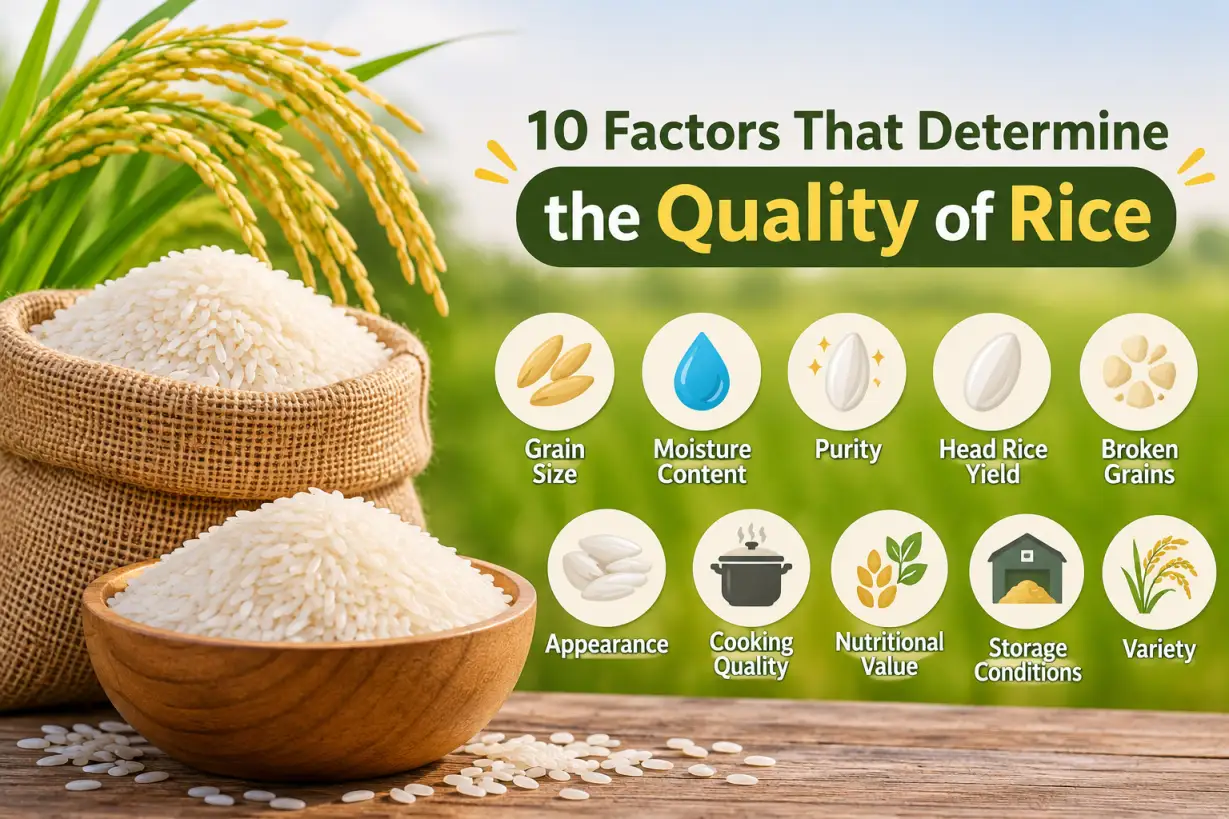
The effectiveness of rice grading and sorting depends on several factors, including the quality of incoming paddy, grain moisture, machine condition and equipment settings. Even advanced machinery may not produce consistent results if the rice is not properly prepared or the machines are incorrectly operated.
The following factors can influence grading and sorting performance.
Factors Affecting Rice Grading and Sorting Quality
1 Paddy Quality
The quality of raw paddy has a direct influence on the quality of finished rice. Paddy containing immature grains, damaged kernels, mixed varieties or excessive impurities may produce inconsistent rice after milling.
Selecting good-quality paddy helps reduce the amount of defective material entering the grading and sorting stages.
2 Moisture Content
Moisture content plays an important role in maintaining grain strength and reducing breakage during milling. Paddy that is too wet or excessively dry may be more susceptible to processing problems.
Uneven moisture levels can also affect grain appearance and the proportion of broken rice produced during milling.
3 Rice Variety and Grain Characteristics
Different rice varieties have different natural characteristics, including length, width, thickness, shape and colour.
For example, long-grain rice and short-grain rice cannot always be processed using identical grading settings. Machines must be adjusted according to the characteristics of the variety being processed.
4 Machine Settings and Calibration
Incorrect machine settings can reduce grading and sorting efficiency. Screen sizes, cylinder speed, vibration levels, airflow and colour-sorter sensitivity must be adjusted according to the rice variety and production requirements.
Regular calibration helps machines separate grains more accurately and reduces unnecessary rejection of acceptable rice.
5 Machine Maintenance
Worn-out screens, damaged components, blocked air passages and poorly maintained sensors can affect machine performance.
Regular inspection, cleaning and preventive maintenance help maintain consistent separation efficiency and reduce unexpected production interruptions.
6 Feeding Rate and Material Flow
The amount of rice supplied to a grading or sorting machine also affects its performance.
If too much rice enters the machine at once, grains may overlap or move too quickly for accurate separation. This can reduce the effectiveness of grading and optical sorting.
Maintaining a controlled and uniform feeding rate helps ensure that grains are properly presented to the machine.
7 Operator Experience
Machine operators play an important role in maintaining grading and sorting quality. They must understand equipment settings, identify processing problems and monitor the quality of incoming and outgoing rice.
Frequently Asked Questions
How does moisture content affect rice quality?
Moisture content plays an important role in maintaining rice quality. Excess moisture can cause fungal growth and spoilage, while very low moisture levels can increase grain breakage during milling.
What factors influence rice milling recovery?
Rice milling recovery depends on paddy variety, grain quality, moisture content, harvesting conditions, drying methods, and machine settings. Proper processing helps improve the quantity of milled rice obtained from paddy.
What are the major by-products of rice milling?
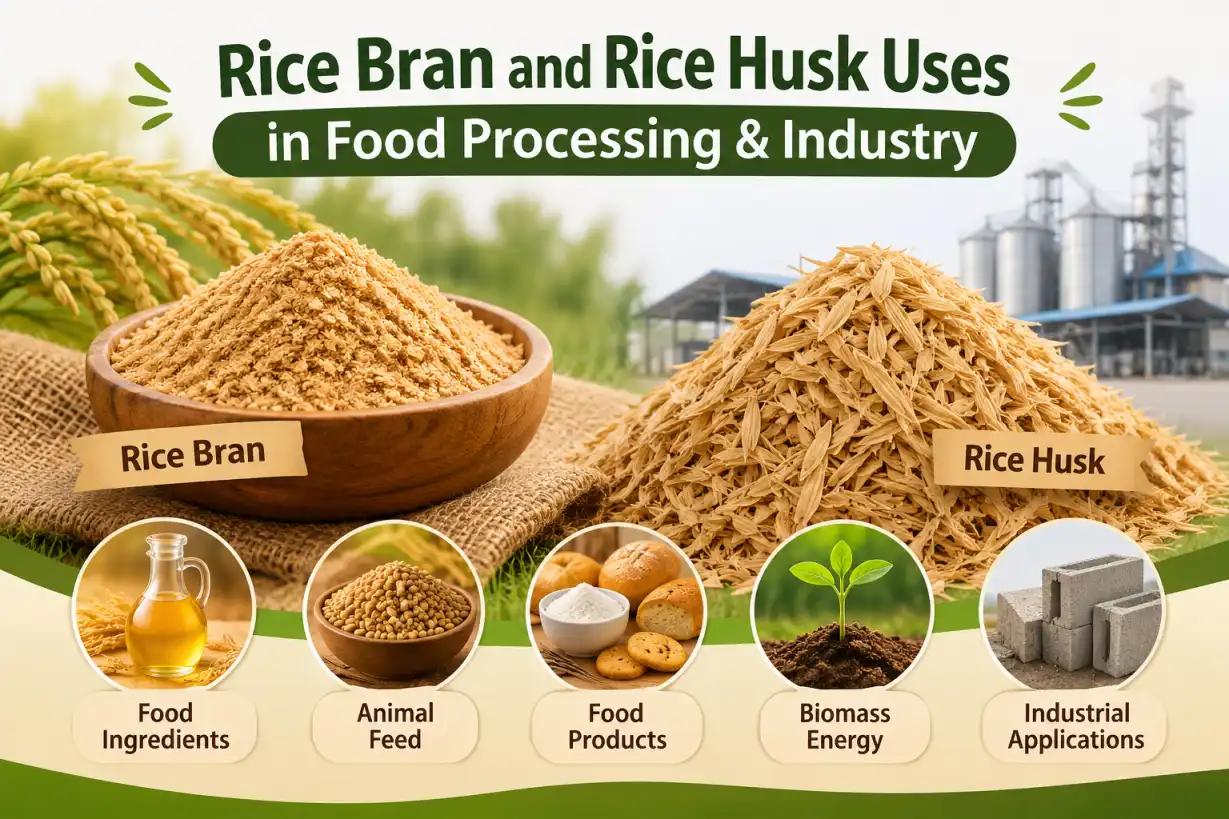
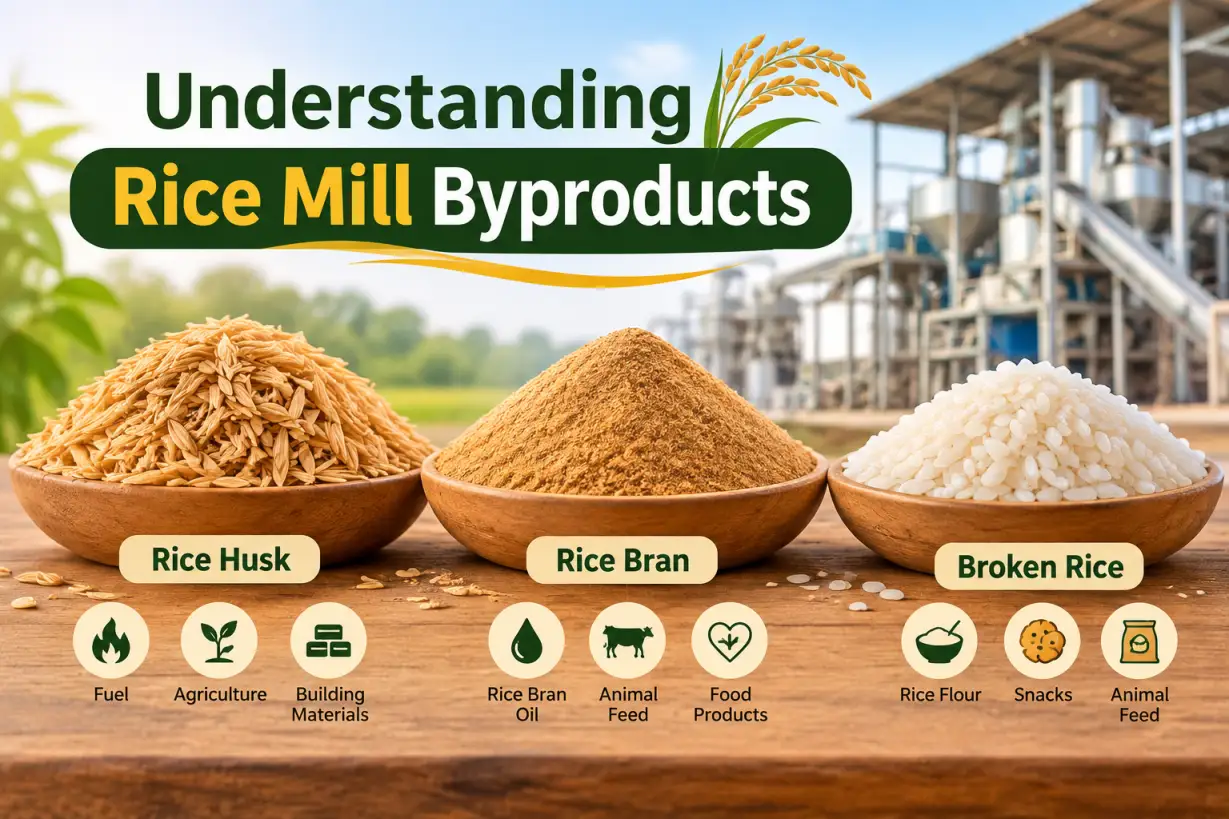
The major by-products include rice husk, rice bran, and broken rice. These materials are used in various industries, including animal feed, biomass energy, oil extraction, and food production.
What are the major by-products of rice milling?
The major by-products include rice husk, rice bran, and broken rice. These materials are used in various industries, including animal feed, biomass energy, oil extraction, and food production.
What is the ideal moisture content of paddy before milling?
Dried paddy generally has a moisture content of around 12–14% before milling. Maintaining suitable moisture levels helps improve milling performance and reduce grain breakage.
Conclusion
Rice grading and sorting are essential operations in modern rice milling that help maintain the consistency, appearance and market suitability of finished rice. While grading classifies grains according to their length, thickness and size, sorting identifies and separates defective, discoloured or unwanted grains.