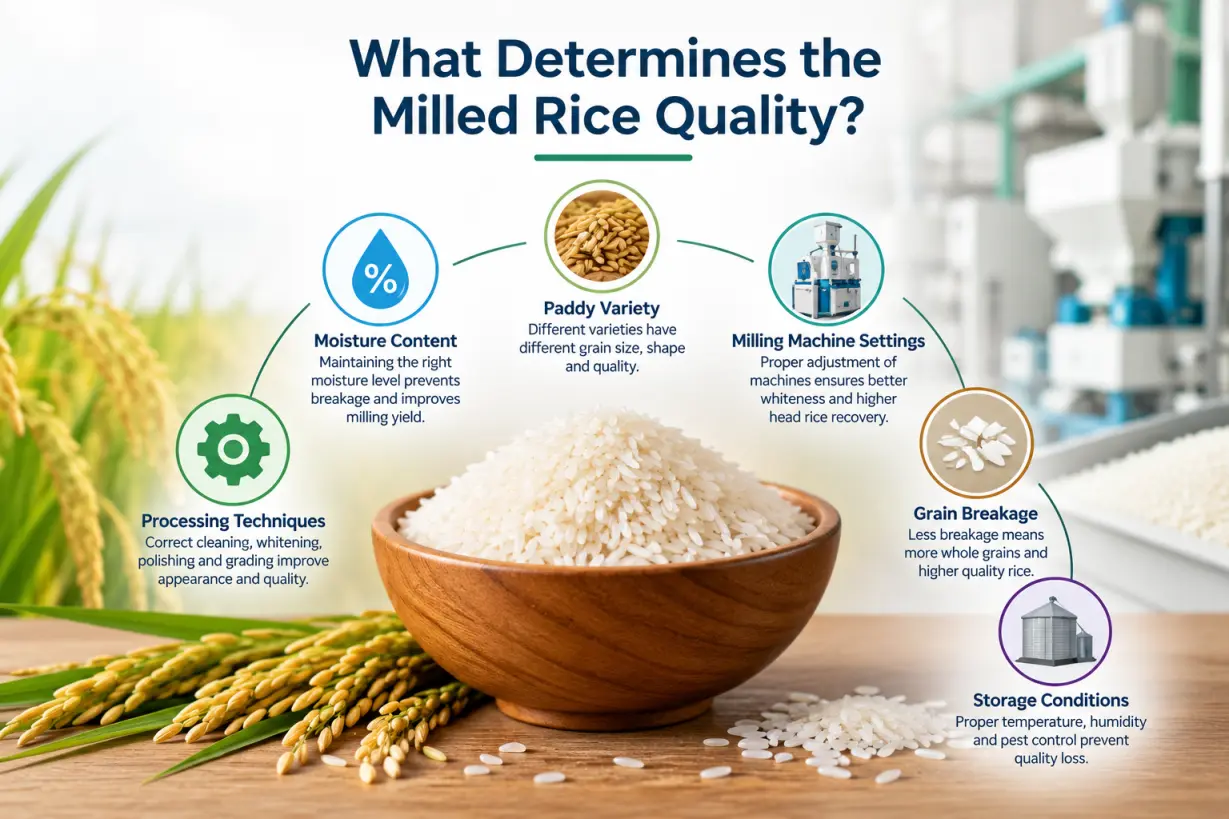
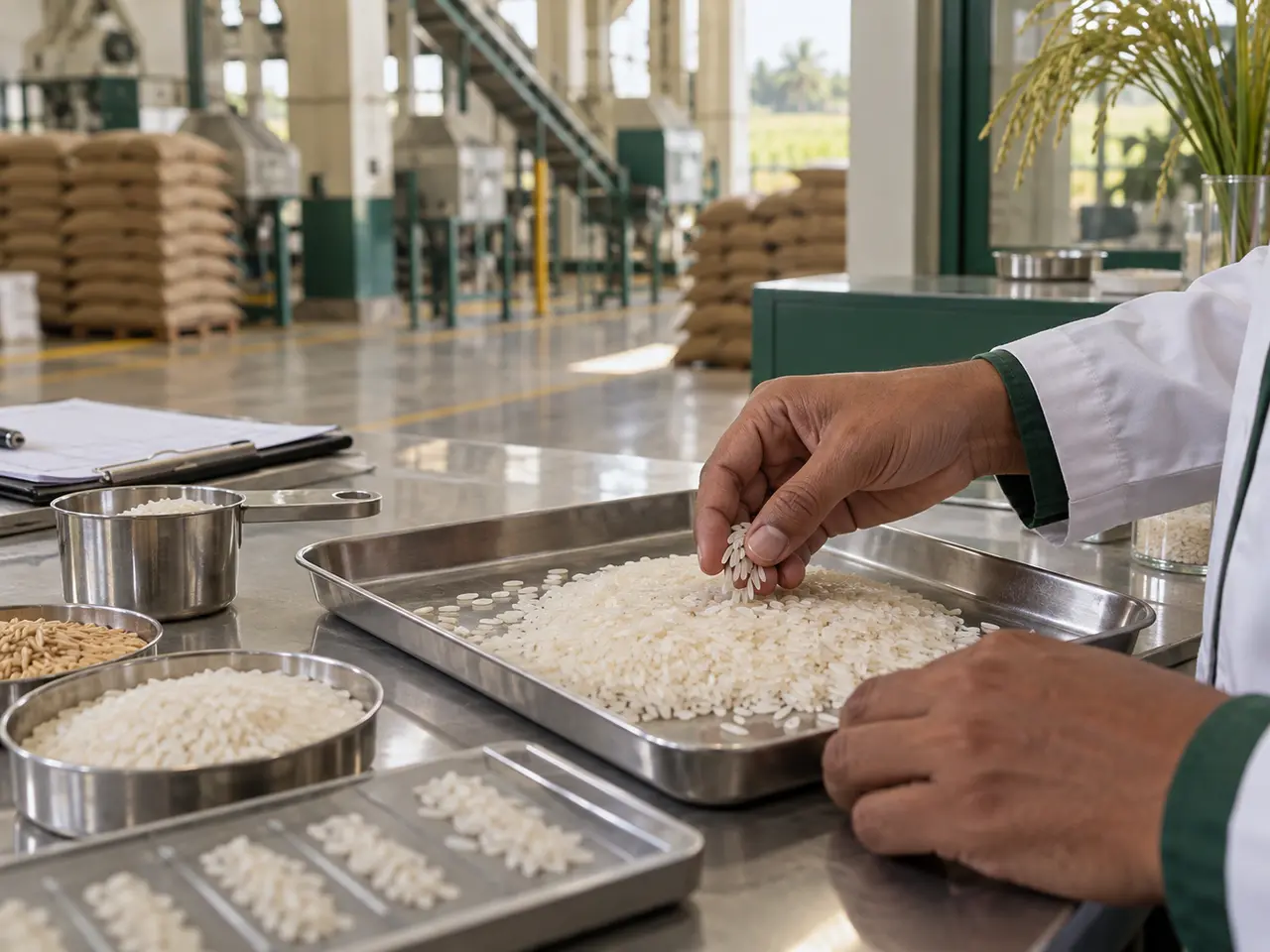
Rice milling is an essential part of rice production because the efficiency of the milling process directly affects rice quality, appearance, yield, and the amount of broken rice produced. The process generally involves several stages, including paddy cleaning, de-stoning, husking, paddy separation, whitening, polishing, grading, and color sorting. Modern rice milling machinery helps rice mills perform these stages efficiently and maintain consistent quality. In this guide, we will explain how rice milling works, the key steps involved, machinery used, factors affecting milling quality, and the major byproducts of the process.
What Is Rice Milling?
Rice milling is the process of converting harvested paddy into edible rice by removing the outer husk and bran layers from the grain. It involves a series of mechanical processes designed to produce clean, high-quality rice while retaining as many whole grains as possible. The main purpose of rice milling is to make paddy suitable for human consumption. During the process, impurities are removed, the husk is separated, and the brown rice is further processed to obtain white rice or other desired rice products.
Paddy vs Milled Rice
Paddy, also known as rough rice, is the harvested rice grain that still has its protective outer husk. Milled rice is the finished grain after the husk and, depending on the product, the bran layers have been removed.
The key objectives of a rice milling process are to:
- Remove husk, bran, and unwanted impurities
- Produce clean and uniform rice grains
- Minimize grain breakage
- Maximize milling yield and head rice recovery
- Maintain the desired appearance and quality of the finished rice
A well-designed rice milling process therefore focuses not only on removing unwanted layers but also on achieving maximum recovery of whole, high-quality rice grains.
How Does Rice Milling Work?
Rice milling converts harvested paddy into edible rice through a series of mechanical and, in some cases, thermal processes. Each stage has a specific purpose, from removing impurities and the outer husk to producing clean, uniform grains ready for packaging.
The typical rice milling process follows this sequence:
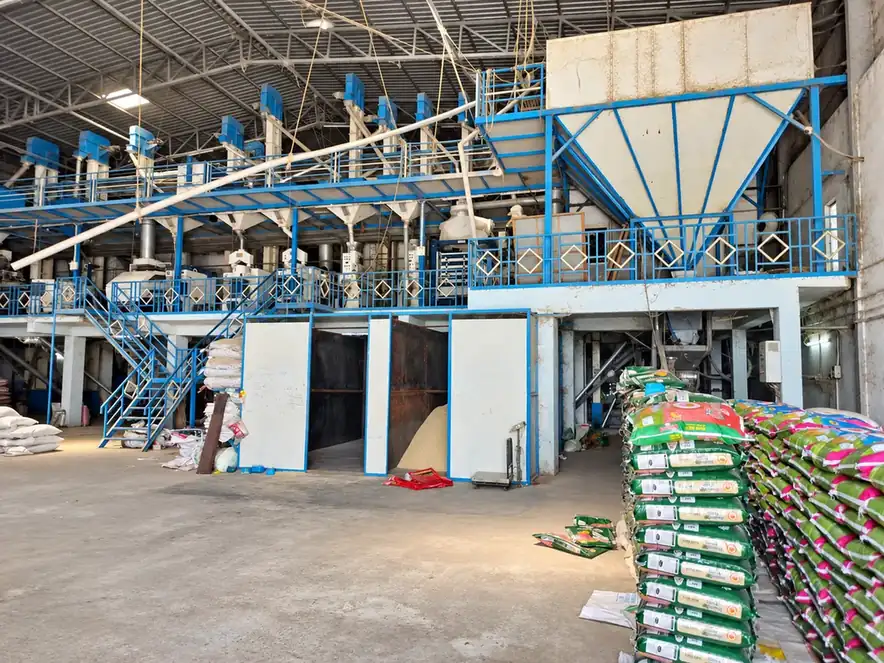
1. Paddy Pre-Cleaning
The process begins with paddy cleaning, where harvested paddy is passed through cleaning equipment to remove unwanted materials such as dust, straw, leaves, soil, and other foreign particles. Proper cleaning is important because impurities can affect the quality of the finished rice and damage milling equipment.
2. De-stoning
After cleaning, the paddy passes through a de-stoner to remove stones and other heavy particles that may have a similar size to rice grains. This protects the machinery and helps ensure that only suitable paddy continues through the rice milling line.
3. Parboiling and Drying
Depending on the type of rice being produced, paddy may undergo parboiling, which involves soaking, steaming, and drying the grains before milling. Parboiling can improve grain strength and reduce breakage during milling.
For raw rice production, paddy generally goes through controlled drying to reach the appropriate moisture level before milling. Proper moisture control is essential for achieving good milling recovery and reducing broken grains.
4. Husking
The cleaned and properly conditioned paddy is fed into a rice husker, which removes the tough outer husk surrounding each grain. The resulting product is known as brown rice, while the separated husk becomes one of the major byproducts of rice milling.
5. Paddy Separation
Not every grain is completely husked in a single pass. A paddy separator separates unhusked paddy from brown rice based on differences in weight, density, and physical characteristics.
The remaining unhusked grains are returned to the husker for further processing, while the brown rice moves to the next stage.
6. Rice Whitening
The brown rice then enters a rice whitener, where friction or abrasion removes the bran layers surrounding the grain. This produces white rice while carefully controlling the amount of material removed.
Proper whitening is important because excessive pressure can increase grain breakage, while insufficient whitening may leave unwanted bran on the finished rice.
7. Rice Polishing
After whitening, the rice may undergo polishing to improve its surface appearance and smoothness. The rice polisher removes remaining fine bran particles and creates a cleaner, more uniform-looking grain.
The level of polishing depends on the desired rice product and market requirements.
8. Rice Grading
The milled rice is then passed through rice grading equipment to separate grains according to size and length. This stage helps produce a more consistent final product and separates whole grains from different sizes of broken rice.
Proper grading is particularly important for commercial rice buyers who require consistent grain specifications.
9. Color Sorting
A color sorter uses optical technology to identify and remove discolored, damaged, or otherwise defective grains. This helps improve the visual quality and uniformity of the finished rice.
Modern color sorting is an important part of quality control in many commercial rice mills.
10. Packaging
In the final stage, the processed and sorted rice is weighed and packed according to the required package size. Depending on the market, rice may be packed into retail bags or larger quantities for bulk buyers, wholesalers, distributors, and exporters.
The packaged rice is then stored appropriately before distribution to customers and markets.
What Machinery Is Used in Rice Milling?
Rice milling uses a series of machines, each performing a specific step to turn paddy
(unmilled rice) into clean, polished rice.
Detailed information shown below:
| S.No | Milling Stage | Machinery | Main Function |
|---|---|---|---|
| 1 | Cleaning | Paddy Cleaner / Pre-cleaner | Removes straw, dust, stones, and other impurities |
| 2 | Destoning | Destoner | Separates stones and heavy particles from paddy |
| 3 | Paddy seperation | Paddy Separator | Paddy Separator Separates unhusked paddy from brown rice |
| 4 | Boiler | Paddy Boiling/Steaming the paddy | Steaming the paddy using Ash and vapourize |
| 5 | Husking | Rice Husker / Rubber Roll Husker | Removes the outer husk |
| 6 | Husk Separation | Husk Aspirator | Separates rice husk from brown rice using air |
| 7 | Whitening | Rice Whitener | Removes bran layers to produce white rice |
| 8 | Polishing | Rice Polisher | Gives rice a smoother, brighter appearance |
| 9 | Grading | Rice Grader | Separates whole kernels, broken rice, and different sizes |
| 10 | Color Sorting | Color Sortor | Removes discolored, damaged, or defective grains |
| 11 | Material Handling | Bucket Elevators & Conveyors | Moves paddy and rice between machines |
Common Problems During the Rice Milling Process
- Excessive Broken Rice
- Low Milling Yield
- Low Head Rice Yield
- Incomplete Dehusking
- Excessive Bran Remaining on Rice
- Excessive Whitening and Kernel Damage
- High Chalky or Discolored Grains
- Excessive Rice Dust and Fines
- Poor Paddy and Milled Rice Separation
- Inconsistent Rice Whiteness
- Equipment Wear and Maintenance Problems
- Excessive Energy Consumption
Frequently Asked Questions About Rice Milling
1. Why is paddy quality important before milling?
The condition of paddy can influence milling performance, grain appearance, breakage, and the quality of the finished rice.
2. What is head rice yield?
Head rice yield refers to the proportion of milled rice that remains as whole or substantially intact kernels after processing.
3. What causes rice grains to break?
Grain breakage can be associated with pre-existing cracks, unsuitable moisture conditions, rough handling, excessive pressure, or inappropriate equipment settings.
4. What is the purpose of color sorting in rice processing?
Color sorting helps identify and separate grains that differ in color or appearance from the desired product.
5. What factors influence the quality of finished rice?
Paddy quality, moisture, variety, equipment condition, processing settings, storage, and handling can all influence the quality of finished rice.
Conclusion
Rice milling is a step-by-step process that transforms harvested paddy into clean, edible rice through cleaning, husking, separation, whitening, polishing, grading, and sorting. Proper process control and well-maintained equipment help produce consistent rice quality while minimizing grain damage and processing losses.